Sunday, February 19, 2023 marked the 81st anniversary of the issuing of Executive Order 9066 by President Franklin Roosevelt, which authorized the mass forced removal and incarceration of people of Japanese ancestry from the West Coast of the United States. Under the guise of military necessity and national security after Japan’s attack on Pearl Harbor, this order was a “convenient” response to long-standing resentment of people of Japanese ancestry for their successful farming practices up and down the West Coast.

My parents, grandparents, and 26 aunties, uncles and cousins were among the more than 125,000 people, two-thirds of them American citizens, who were given a week to pack what they could carry, wrap up their affairs and board trains or buses (windows covered) that took them to temporary “Assembly Centers”: fairgrounds, race tracks, and warehouses surrounded by barbed wire. A shared painful and vivid memory was stuffing straw mattresses to sleep in smelly horse stalls at the Puyallup Fairgrounds, ridiculously named “Camp Harmony” by government public relations officials.
Months later, they were transported to one of ten hastily built concentration camps with tar paper covered buildings in desolate desert or swamp locations around the country. The reality of being in a camp with guard towers with guns pointing IN, encircled and enclosed by barbed wire is as stamped into my identity as the DNA in my body from my parents and ancestors.
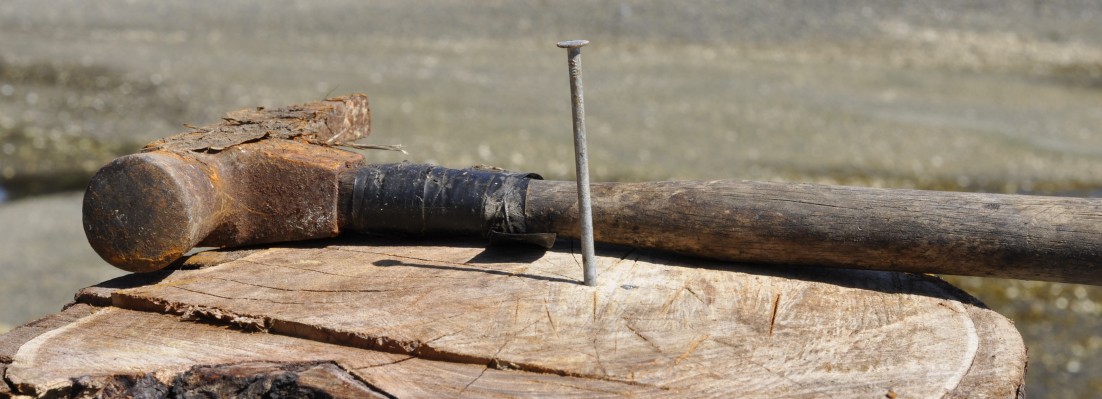
Barbed wire is part of my identity as a third-generation Japanese American whose family members were incarcerated. I claim barbed wire as part of my heritage. To claim something, you’re demanding it or saying it’s true, an assertion that something is true or factual. To stake a claim is when someone expresses their right to something that belongs to them, like your medical records or the deed to your home.
Who are those among us who have barbed wire as part of their identity, heritage or current reality? What does solidarity, kinship, and advocacy look like?
I’ve appreciated friends who are taking the time to hear stories, read and learn to increase understanding, awareness and empathy.
Organizations telling the story and organizing advocacy events:
- Densho documents the testimonies of Japanese Americans who were unjustly incarcerated during World War II
- Japanese American National Museum Los Angeles
- Tsuru for Solidarity nonviolent, direct action project of Japanese American social justice advocates working to end detention sites and support front-line immigrant and refugee communities that are being targeted by racist, inhumane immigration policies.
- Wing Luke Museum Seattle
A handful of books to get you started (I was able to check all of these out from the Seattle Public Library!)
Children’s Books: Dash (Kirby Larson), Love in the Library (Maggie Tokuda Hall), The Bracelet (Yoshiko Uchida), Baseball Saved Us (Ken Mochizuki),
Adult Books: When Can We Go Back to America? (Susan Kamei), The Eagles of Heart Mountain (Bradford Pearson) (book talk with author), Setsuko’s Secret (Shirley Ann Higuchi), American Sutra: A Story of Faith and Freedom in the Second World War (Duncan Ryuken Williams), Imprisoned: The Betrayal of Japanese Americans During World War II (Martin W. Sandler), Seen and Unseen: What Dorothea Lange, Toyo Miyatake and Ansel’s Photographs Reveal About the Japanese American Incarceration (Elizabeth Patridge)






 Susan Okamoto Lane